
Reviews / Best Body-Safe Options

Best Body-Safe Personal Wellness Products

A materials-first roundup of the best products made from silicone, glass, and other non-porous, clearly documented materials — with consistently strong review profiles to match.

Materials-first buying

The Material Is the Most Important Thing to Get Right

For personal wellness products, material matters more than most buyers realise before their first purchase. The best products are made from non-porous materials — primarily medical-grade silicone, borosilicate glass, and stainless steel — which do not harbour bacteria between uses and are stable when in contact with skin and mucous membranes over time. This page pulls together the strongest-reviewed products across these material categories, with notes on what to look for and what to avoid.

Last reviewed: May 24, 2026

This page may include affiliate links. If you choose to use them, SensualityLab may earn a commission at no extra cost to you.

Buyer guidance

A calmer way to narrow the right fit.

Silicone picks

Medical-grade silicone is the most versatile body-safe material across most formats.

Silicone is non-porous, chemically inert, soft, and flexible — which is why it has become the default material for quality wellness products. The key distinction to know is that not all silicone is equal: medical-grade or platinum-cured silicone is significantly better than lower-grade alternatives. Reputable brands disclose this; products that do not specify grade are worth approaching with more caution. Silicone is compatible with water-based lubricant only — silicone-based lubricant degrades the surface.

  • Look for "medical-grade silicone" or "platinum-cured silicone" in the product description.
  • Non-porous: does not harbour bacteria between uses, easy to clean thoroughly.
  • Soft and body-conforming — a more comfortable surface than hard plastics for most formats.
  • Water-based lubricant only — silicone lubricant will degrade the surface over time.
How to verify a product's materials

Look for explicit material disclosure — vague descriptions are a yellow flag.

The most reliable products state their materials clearly in the product listing: "medical-grade silicone body", "ABS plastic housing", "borosilicate glass". Products described only as "skin-safe", "body-friendly", or with no material specification should be treated with caution. A strong review count from an established platform is a useful secondary signal — products with hygiene or material issues tend to surface that in reviews fairly quickly.

  • Reputable brands disclose materials explicitly — look for specific terms, not vague descriptors.
  • "Phthalate-free" labelling is common in quality products and worth checking for.
  • A strong review count on Amazon or a specialist retailer is a useful quality signal.
  • A chemical smell when unboxing is a reliable sign that the material quality is lower than stated.

Related reading

More guidance for material-conscious buying.

Related guide

Body-Safe Materials Explained

The full plain-language guide to silicone, TPE, glass, and what each means for hygiene.

Related guide

How to Clean and Care

Material-specific cleaning methods — including which products can be boiled.

Related review

Best Premium Options

Premium picks that tend to use the highest-grade materials and construction.

How we chose

What we prioritize when comparing options.

We prioritize products that appear approachable, well-reviewed, simple to understand, and suitable for discreet personal wellness routines.

  • Beginner friendliness
  • Ease of use
  • Privacy and discretion
  • Comfort-focused design
  • Ratings and review count
  • Price accessibility
  • Product simplicity

Product picks

Top-Rated Body-Safe Options to Compare

These picks use clearly documented non-porous materials — primarily medical-grade silicone — and carry strong review profiles from established platforms.

This page may include affiliate links. If you choose to use them, SensualityLab may earn a commission at no extra cost to you.

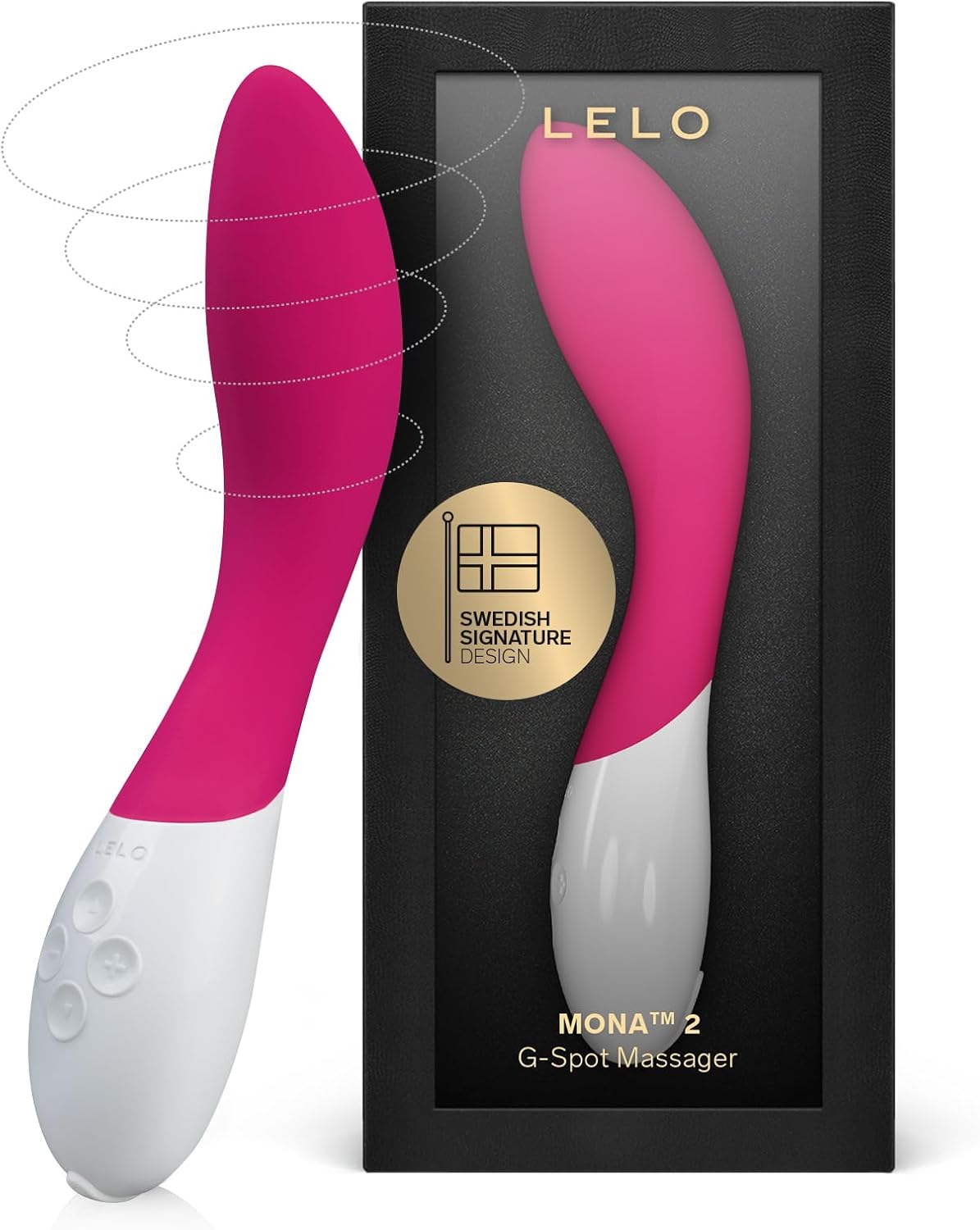
LELO Mona 2

4.2 rating from 959 reviews

LELO Mona 2

LELO

$49.00

Merchant
Amazon
Last checked
May 19, 2026

A premium body-safe silicone vibrator from LELO with 6 intensity modes and a quiet, waterproof design.

Best for
  • Discreet everyday use
  • Premium quality
  • Targeted relief
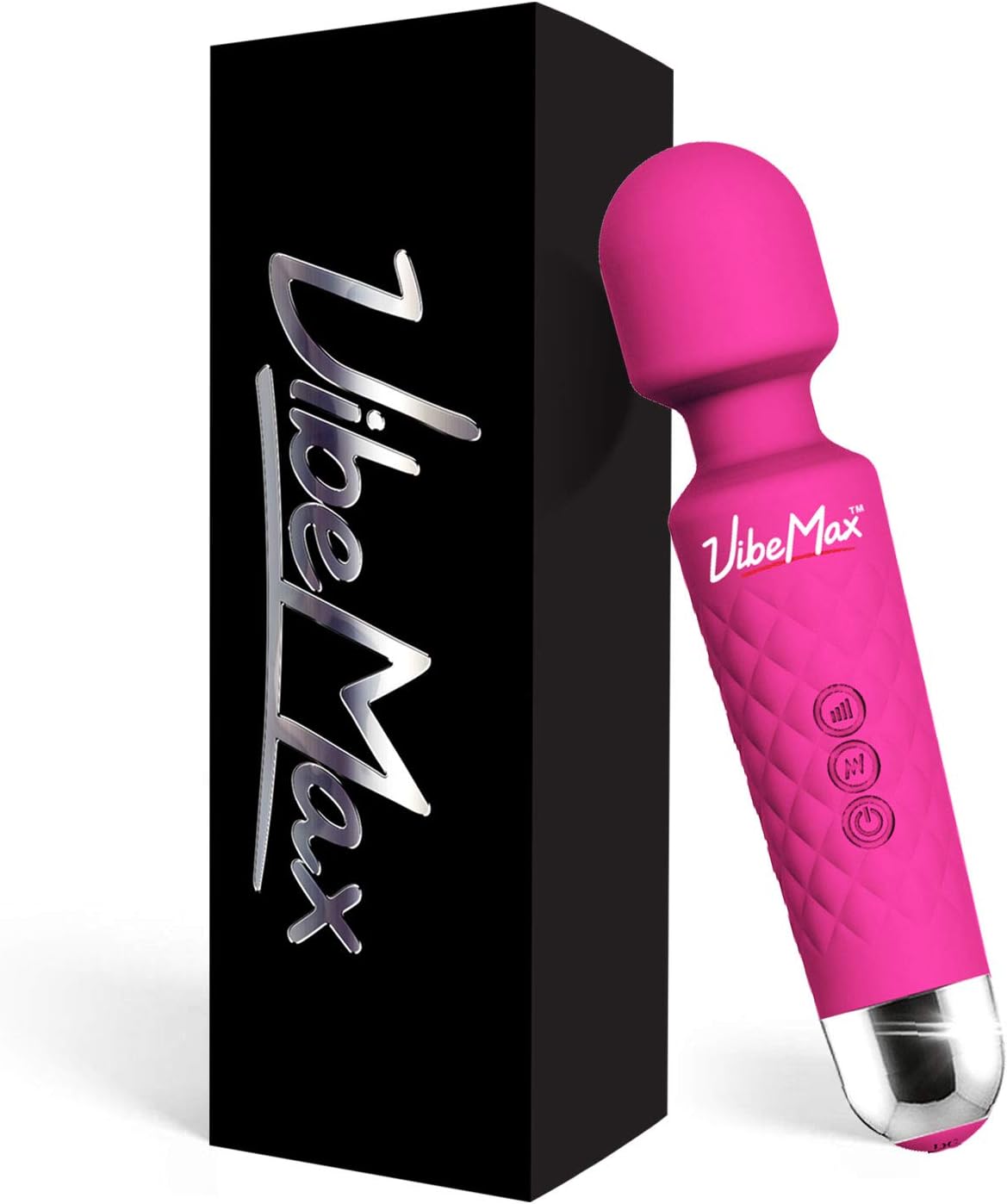
VibeMax Personal Massager

4.2 rating from 11,000+ reviews

VibeMax Personal Massager

VibeMax

$29.99

Merchant
Amazon
Last checked
May 19, 2026

A rechargeable personal massager with whisper-quiet operation and multiple speed settings.

Best for
  • First-time exploration
  • Quiet everyday routines
  • Muscle tension relief
LuLu Wand Personal Massager

4.5 rating from 14,000+ reviews

LuLu Wand Personal Massager

LuLu

$35.00

Merchant
Amazon
Last checked
May 19, 2026

A rechargeable wand massager with strong, whisper-quiet vibrations and a compact handheld design.

Best for
  • Strong vibration
  • Quiet operation
  • Handheld convenience
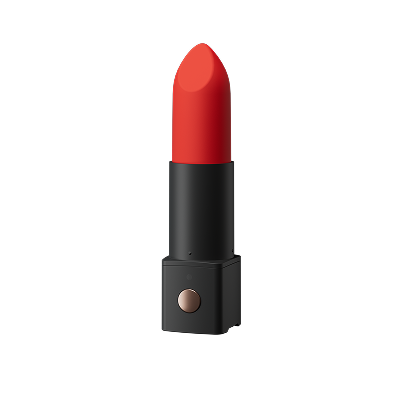
Lovense Exomoon Lipstick Vibrator

4.8 rating from 42 reviews

Lovense Exomoon Lipstick Vibrator

Lovense

$79.00

Merchant
Lovense
Last checked
May 19, 2026

A discreet lipstick-style vibrator from Lovense with app-compatible customizable vibrations.

Best for
  • Discreet travel use
  • App-controlled vibrations
  • Quiet everyday routines

Materials FAQ

Common questions about body-safe materials in wellness products.

What is the safest material for personal wellness products?

Medical-grade silicone, borosilicate glass, and stainless steel are considered the gold standard. All three are non-porous (do not harbour bacteria), chemically stable, and easy to clean thoroughly. ABS plastic is also non-porous and safe, though it cannot be boiled or sterilised at high temperatures the way silicone, glass, and steel can.

Are TPE products safe?

TPE (thermoplastic elastomer) is widely used and not immediately dangerous, but it is a porous material — meaning it has microscopic channels that can harbour bacteria even after cleaning. TPE products need more frequent and thorough cleaning, and should be replaced more regularly than non-porous alternatives. Using a condom with TPE products for internal use reduces risk.

How do I know if a product is really body-safe?

Look for explicit material disclosure in the product description — "medical-grade silicone", "ABS plastic", "borosilicate glass". A product described only as "soft", "skin-like", or "body-friendly" without naming the material may not be using documented body-safe materials. Strong review volume on established platforms is a useful secondary signal — material problems tend to show up in reviews.

Does a higher price mean safer materials?

Not automatically. Many mid-range products use excellent materials (medical-grade silicone, ABS plastic) while some expensive products use lower-grade alternatives with better marketing. Focus on explicit material disclosure rather than price as your primary quality signal.

Related links

Continue exploring connected pages.

Buy with more confidence

Material knowledge is the most useful thing to have before a first purchase.

The body-safe materials guide explains exactly what to look for in any product listing.