
Guides / Care & Hygiene

How to Clean and Care for Your Products

Proper care extends the life of your products and keeps them safe to use. A calm, practical guide covering cleaning methods, storage, and what to avoid for different materials.

Practical care

Good Care Habits Are Simple Once You Know the Basics

Cleaning a wellness product does not need to be complicated. A few consistent habits — the right cleaning method for your material, somewhere clean and dry to store it, and a quick check before each use — are all it takes to keep products safe and lasting longer. The biggest variable is the material, which determines how the product can and cannot be cleaned.

Last reviewed: May 24, 2026

This recommendation section may include affiliate links. If you choose to use them, SensualityLab may earn a commission at no extra cost to you.

What to know

Key things to understand before you decide.

Before you clean

Check the material first — it determines everything else.

Different materials require different approaches. The most common materials in wellness products fall into two broad categories: non-porous (silicone, glass, stainless steel, ABS plastic) and porous (TPE, TPR, rubber, some jelly materials). Non-porous materials are easier to clean thoroughly and do not harbour bacteria in the same way. Porous materials require more careful attention and cannot be fully sterilised, which is worth knowing before purchase as much as before cleaning.

  • Silicone, glass, and stainless steel: the easiest to clean thoroughly and the most hygienic materials overall.
  • ABS plastic: non-porous, cleans well with soap and water, but cannot be boiled.
  • TPE and TPR: porous — clean carefully after every use and replace sooner than non-porous options.
  • Check whether your product is waterproof before submerging it — many are splash-proof but not fully submersible.
Cleaning methods

Mild soap and warm water handles most products well.

For the majority of non-motorised, waterproof products made from silicone, glass, or steel, washing with mild unscented soap and warm water is sufficient. Some silicone and glass products can also be boiled for deeper sterilisation, or run through a dishwasher on the top rack without detergent — but only if the manufacturer confirms this is safe. For motorised products, clean around the motor unit carefully and never submerge a product that is not rated waterproof.

  • Mild unscented soap and warm water: suitable for most materials, simple and effective.
  • Boiling (2–3 minutes): safe for non-motorised silicone, glass, and stainless steel only.
  • Toy cleaner sprays: a convenient option, especially for travel — look for alcohol-free formulas.
  • Avoid: harsh chemicals, bleach, acetone, or antibacterial soaps with triclosan — these can degrade materials over time.

Storage and longevity

Where and how you store products affects both safety and lifespan.

Products should be completely dry before storing — moisture trapped against a surface, especially with porous materials, creates the conditions for bacterial growth. Store in a clean, dry pouch or case away from direct sunlight and heat. Keep silicone products separated from each other if possible — prolonged contact between silicone surfaces can cause degradation over time. Most products come with a storage pouch; using it consistently is the simplest habit to build.

  • Always dry thoroughly before storing — air drying on a clean surface works well.
  • Use the included pouch or a dedicated clean bag, not a drawer with loose items.
  • Keep away from direct sunlight and heat sources, which can degrade materials faster.
  • Silicone-on-silicone contact over long periods can cause surface changes — store separately or in individual pouches.

Related reading

More guidance for safe, confident product ownership.

Related guide

Safety and Hygiene

A broader guide to materials, safe purchasing, and what to look for in a well-made product.

Related guide

Common Concerns

Calm answers to the privacy, safety, and "is this right for me?" questions most people have.

Related guide

How to Choose

Decision guidance for comfort, material, and fit — useful reading before a first purchase.

Product picks

Beginner-Friendly Options That Are Easy to Care For

These picks use straightforward materials and simple designs — a good fit for anyone who wants low-maintenance, easy-to-clean first options.

This recommendation section may include affiliate links. If you choose to use them, SensualityLab may earn a commission at no extra cost to you.

VibeMax Personal Massager

4.2 rating from 11,000+ reviews

VibeMax Personal Massager

VibeMax

$29.99

Merchant
Amazon
Last checked
May 19, 2026

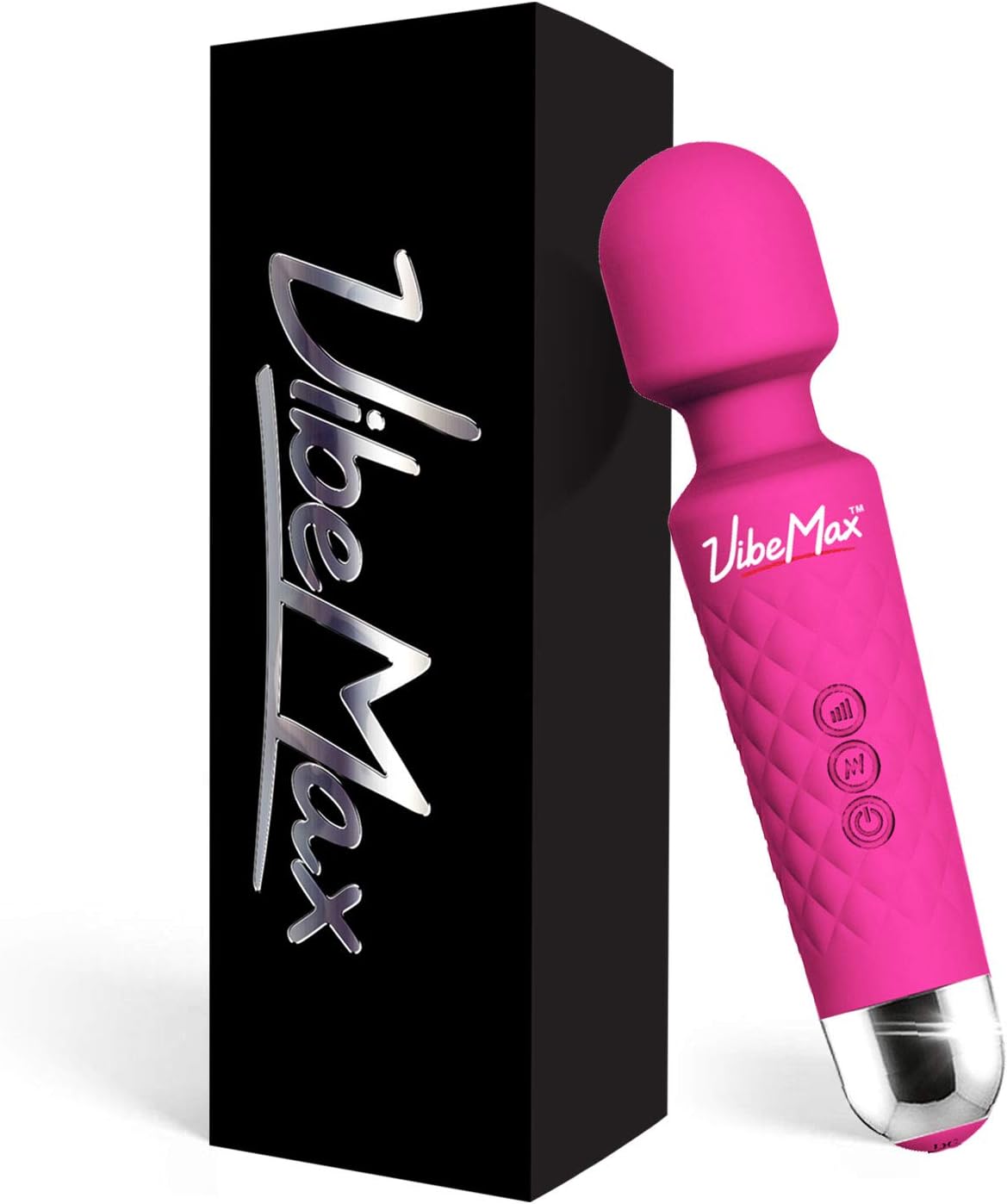
A rechargeable personal massager with whisper-quiet operation and multiple speed settings.

Best for
  • First-time exploration
  • Quiet everyday routines
  • Muscle tension relief
LuLu Wand Personal Massager

4.5 rating from 14,000+ reviews

LuLu Wand Personal Massager

LuLu

$35.00

Merchant
Amazon
Last checked
May 19, 2026

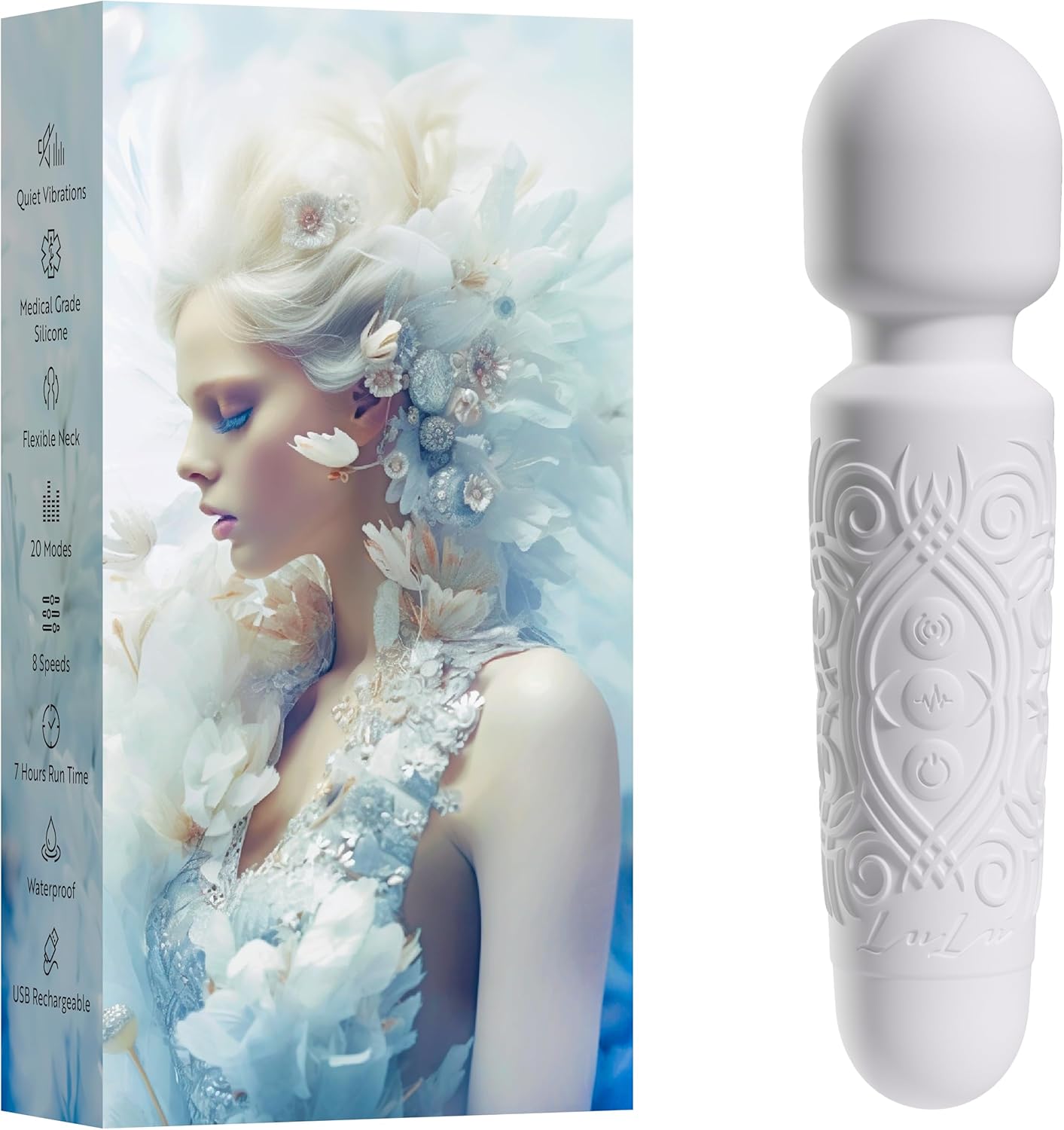
A rechargeable wand massager with strong, whisper-quiet vibrations and a compact handheld design.

Best for
  • Strong vibration
  • Quiet operation
  • Handheld convenience
Tracy's Dog Come-Hither Massager

4.4 rating from 1,800+ reviews

Tracy's Dog Come-Hither Massager

Tracy's Dog

$45.99

Merchant
Amazon
Last checked
May 19, 2026

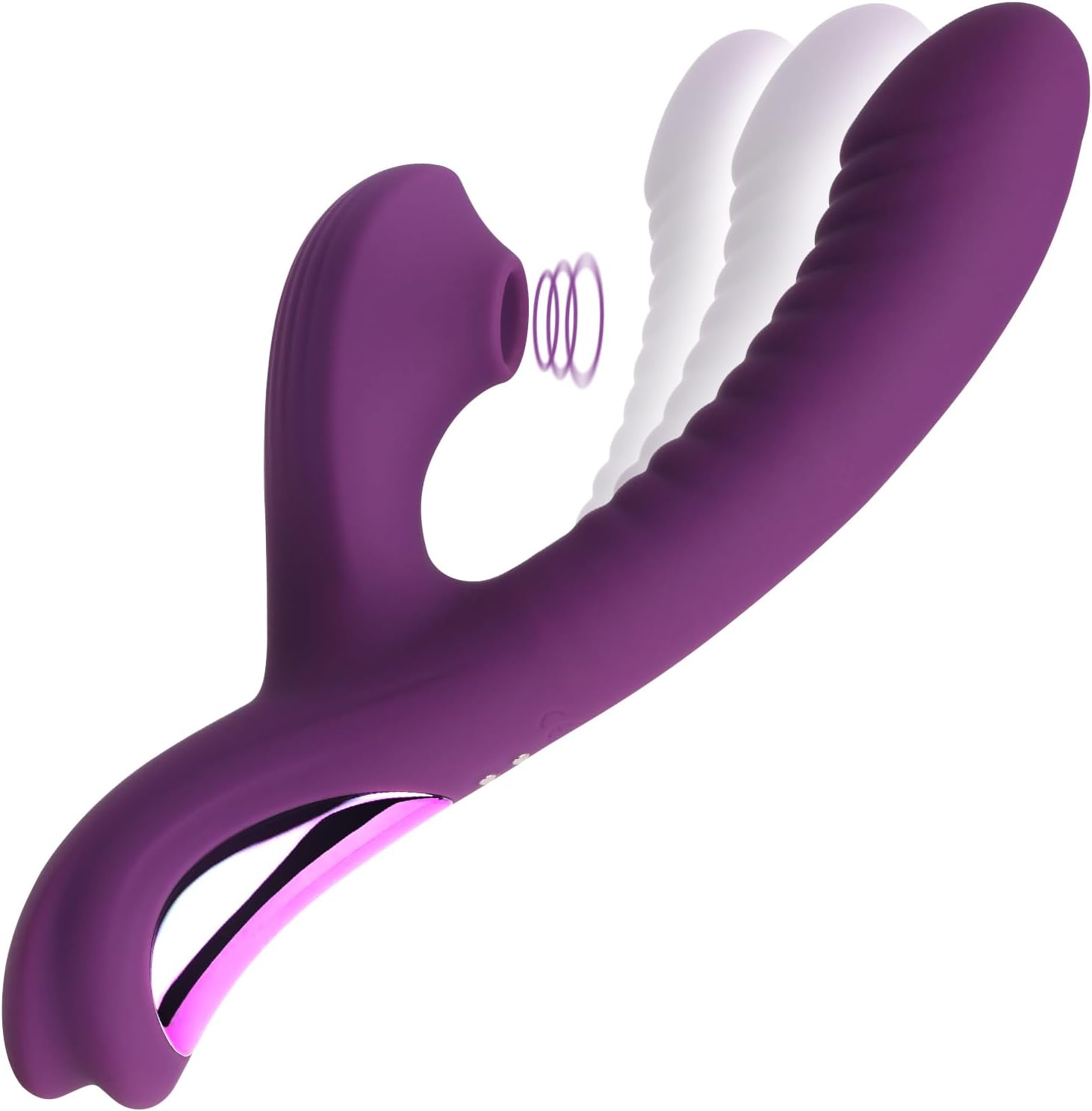
A multi-function personal massager from Tracy's Dog with suction and vibration modes.

Best for
  • Multi-mode stimulation
  • Everyday routines
  • Feature-rich mid-range

Care FAQ

Common questions about cleaning and product care.

How often should I clean my products?

Clean before and after every use. A quick wash with mild soap and warm water before use removes any dust or residue from storage. A thorough clean after use, before storing dry, is the most important habit for long-term hygiene.

Can I use regular hand soap to clean my products?

Mild, unscented hand soap is generally fine. Avoid heavily fragranced soaps, antibacterial soaps with triclosan, and anything with harsh chemicals. If in doubt, a dedicated toy cleaner spray is a reliable alternative.

Can silicone products be boiled?

Non-motorised silicone products can usually be boiled for 2–3 minutes for deeper sterilisation. Never boil a product with a motor, battery, or charging port, and confirm the manufacturer recommends it for your specific product before doing so.

How do I know if a product is waterproof?

Check the product description for an IPX rating — IPX7 means it can be submerged up to 1 metre for 30 minutes, which is the standard for "fully waterproof" wellness products. "Splash-proof" or "water-resistant" means it can handle surface cleaning but should not be submerged.

How long do products typically last?

With proper care, high-quality non-porous products (silicone, glass, steel) can last many years. Porous materials (TPE, TPR) have a shorter safe lifespan and should be replaced more frequently. Motorised products depend on battery and motor quality — rechargeable options with good reviews tend to outlast battery-powered ones.

Related links

Continue exploring connected pages.

Build confident habits

Good care starts with knowing your material — and a consistent routine.

The safety and hygiene guide covers materials, purchasing, and what to look for in a well-made product.