

Guides / Lubricant Guide

Water-based, silicone, or oil — which one actually fits your situation.

Lubricant is one of the most common companion purchases, and also one of the most confusing — the four main types behave very differently with condoms, with toys, and with sensitive skin. This guide breaks down what each type does well, what to watch for, and how to pick without guessing.

Before you choose

Using lubricant is a practical choice, not a sign anything is wrong.

Lubricant reduces friction, makes most experiences more comfortable, and is worth having on hand regardless of how things are going otherwise — it's a practical addition, the same way you'd keep hand lotion around. The part that actually matters is picking a type that's compatible with what you're using it with: some combinations are simply safety-relevant, not a matter of preference. This guide compares the four main types, then covers what to avoid if your skin is sensitive.

By Mara Ellis, Wellness & Relationships Editor

Last reviewed: July 6, 2026

This recommendation section may include affiliate links. If you choose to use them, SensualityLab may earn a commission at no extra cost to you.

The four types

Compare each type, then check compatibility.

Quick comparison

Water-based vs. silicone vs. oil vs. aloe, at a glance.

The differences that actually matter are how long each type lasts before reapplying, whether it's safe with condoms, whether it's safe with toy materials (especially silicone), and how easy it is to clean up.

  • Water-based — needs reapplying during longer sessions · safe with latex and polyisoprene condoms · safe with every toy material, including silicone · rinses off easily with water · best for most people, most of the time
  • Silicone-based — lasts the longest, minimal reapplication · safe with condoms · not safe with silicone toys (degrades the material) · needs soap to fully remove, doesn't rinse away with water alone · best for water play or longer sessions with non-silicone toys
  • Oil-based — very long-lasting and moisturizing · not safe with latex or polyisoprene condoms (breaks them down) · not recommended for most toy materials either · can stain fabric and is harder to wash off · best for condom-free, toy-free use only
  • Aloe-based — moderate lasting time, occasional reapplication · safe with condoms · safe with most toy materials · rinses off easily · best for sensitive skin or as a gentle middle-ground pick
01

Water-based lubricant

The gentlest, safest default — compatible with almost everything.

Water-based lubricant is the right starting point for most people. It's safe with latex and polyisoprene condoms, and it's the only type that's safe with every toy material, including silicone. The trade-off is that it absorbs into skin faster than silicone or oil, so longer sessions may need a reapplication or two. It also rinses off with plain water, which makes cleanup simple.

  • Safe with condoms and with every toy material, including silicone
  • Absorbs faster than silicone or oil — may need reapplying during longer use
  • Rinses off easily with water — simplest cleanup of the four types
  • The right default if you're not sure which type to start with
02

Silicone-based lubricant

Long-lasting and hypoallergenic — but the detail most people miss.

The one thing to know before anything else: silicone-based lubricant is not safe with silicone toys. It bonds to the surface of silicone products and can cause the material to swell, turn tacky, or develop a texture change that's permanent. Used with condoms, glass, steel, or ABS products, though, it's a genuinely good option — it lasts far longer than water-based lube and holds up in the shower or bath, which water-based formulas don't.

  • Not safe with silicone toys — the most common mistake with this type
  • Safe with condoms, glass, stainless steel, and ABS plastic products
  • Lasts significantly longer than water-based lube — less reapplication
  • Water-resistant — a common pick for shower or bath use
03

Oil-based lubricant

Moisturizing, but not safe with latex condoms.

Oil-based lubricant is worth flagging clearly: it breaks down latex and polyisoprene condoms, causing them to weaken and fail. That makes it unsuitable for condom use of any kind, and it's also generally not recommended for use with most toy materials. Where it can make sense is external, condom-free, toy-free use — but the compatibility limits are real enough that most people are better served by water-based or aloe-based options instead.

  • Not safe with latex or polyisoprene condoms — can cause them to fail
  • Not recommended for most toy materials
  • Can stain fabric and is harder to wash off than water-based or aloe-based lube
  • Only reasonable for condom-free, toy-free external use
04

Aloe-based lubricant

A gentle, condom- and toy-safe middle ground.

Aloe-based lubricant sits between water-based and silicone in terms of how long it lasts, and it shares water-based lube's compatibility profile — safe with condoms and with every toy material, including silicone. Formulas built around aloe tend to skip some of the ingredients that irritate sensitive skin, which makes this a reasonable pick if water-based lube alone hasn't felt gentle enough.

  • Safe with condoms and with every toy material, including silicone
  • A gentler formula than many water-based options
  • Rinses off easily with water
  • A reasonable middle ground if you want something gentle without the toy restrictions of silicone

Sensitive skin

Ingredients worth avoiding if your skin reacts easily.

If you've reacted to a lubricant before — irritation, itching, or a burning sensation — the ingredient list is usually more useful than the water-based/silicone/oil distinction alone. A few common additives are worth checking for regardless of which type you pick.

  • Parabens — a preservative linked to skin sensitivity in some people; look for "paraben-free" labeling
  • Glycerin — can disrupt natural pH and contribute to irritation or yeast overgrowth with repeated use
  • Synthetic fragrances — a common source of irritation; unscented formulas are the safer default
  • Dyes — add no functional benefit and are worth avoiding if your skin is reactive

Quick decision guide

Still not sure? Match your situation to a type.

If the comparison above didn't make the choice obvious, working from your specific situation is usually faster.

  • Want the safest default that works with everything? Pick water-based.
  • Having longer sessions, or using it in the shower or bath, with non-silicone toys? Pick silicone-based.
  • Sensitive skin, or want a gentle middle ground that still works with silicone toys? Pick aloe-based.
  • Considering oil-based? Only for condom-free, toy-free use — check the compatibility notes above first.
  • Genuinely not sure? Water-based is the safest all-around starting point.

Next steps

Where to go next

Guide

Safety & Hygiene

Materials, cleaning by type, and when to replace — the broader companion guide to this one.

Guide

Body-Safe Materials Explained

A deeper look at silicone, ABS, glass, and TPR — useful background for the toy-compatibility notes above.

Guide

How to Choose

A framework for choosing a product by stimulation type, experience level, and budget.

Guide

Types of Vibrators 101

A side-by-side comparison of bullet, wand, rabbit, and suction vibrators.

Product picks

One example pick per type

A water-based, silicone-based, and aloe-based option to compare. We've skipped an oil-based pick here — that category is more of a caution than a recommendation.

This recommendation section may include affiliate links. If you choose to use them, SensualityLab may earn a commission at no extra cost to you.

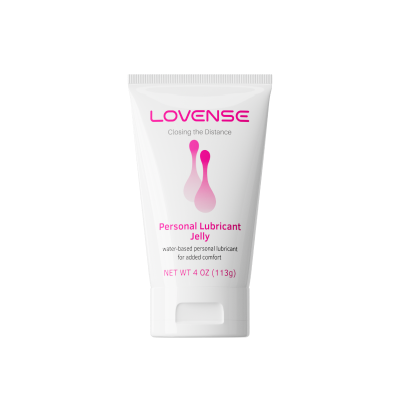
Lovense Water-Based Lubricant

4.8 rating from 86 reviews

Editor4.5

Lovense

Lovense Water-Based Lubricant

$15.00

Merchant
Lovense
Last checked
May 19, 2026

A silky-smooth, pH-balanced water-based lubricant from Lovense for solo or couples use.

Best for
  • Everyday comfort
  • Toy compatibility
  • Solo or couples use
Long-Lasting Silicone Lubricant

SilkGlide

Long-Lasting Silicone Lubricant

$19.00

Merchant
SilkGlide
Last checked
May 19, 2026

A long-lasting silicone-based lubricant — not for use with silicone toys.

Best for
  • Longer sessions without reapplying
  • Water play (shower or bath)
  • Non-silicone toys or condom-only use
Aloe-Based Sensitive Skin Lubricant

Aloe & Co.

Aloe-Based Sensitive Skin Lubricant

$16.00

Merchant
Aloe & Co.
Last checked
May 19, 2026

A gentle aloe-based lubricant, condom- and toy-safe, formulated for sensitive skin.

Best for
  • Sensitive skin
  • A gentle middle-ground option
  • Everyday comfort

FAQ

Common questions about lubricant

Can I use silicone lube with a silicone toy?

No — silicone-based lubricant bonds to the surface of silicone toys and can cause swelling, tackiness, or a permanent texture change. Use water-based or aloe-based lubricant with any silicone product. Silicone lube is fine with glass, stainless steel, ABS plastic, and condoms.

Is oil-based lube safe with condoms?

No — oil-based lubricant breaks down latex and polyisoprene condoms, which can cause them to weaken and fail. If you're using a condom for any reason, choose water-based, silicone-based, or aloe-based lubricant instead. Oil-based lube is only reasonable for condom-free, toy-free use.

What's the gentlest lube for sensitive skin?

Water-based and aloe-based formulas tend to be gentlest, especially ones labeled paraben-free, fragrance-free, and dye-free. Glycerin is worth checking for too — it can disrupt natural pH and contribute to irritation with repeated use. If you've reacted to a lubricant before, checking the ingredient list matters more than the general type.

How much lube should I use?

More than feels necessary at first — a common mistake is using too little and reapplying constantly instead of using a generous amount up front. A dime-to-quarter-sized amount is a reasonable starting point, with more added as needed. Water-based and aloe-based formulas absorb fastest and are the most likely to need topping up during longer sessions.

Is coconut oil or another household oil okay to use?

Not recommended. Household oils like coconut oil aren't formulated for this use, can disrupt natural pH, and share the same condom-incompatibility issue as other oil-based products — they break down latex and polyisoprene. They're also not toy-safe for most materials. A purpose-made lubricant is the safer choice.

Related links

Continue exploring connected pages.

Want the shortlist?

A dedicated lube roundup is on the way.

In the meantime, browse the current review roundups for specific product picks, or use the product finder for a personalized starting point.