


Guides / Kegel Exercises

Kegel exercises for women: how to do them, and when kegel balls actually help.

Kegels are a simple, private exercise you can do anywhere — no equipment required. This guide covers how to find the right muscles, a basic starter routine, a realistic timeline for results, and when kegel balls are worth adding versus when bodyweight Kegels alone are enough.

The basics

A simple, private exercise with well-established benefits.

Kegel exercises strengthen the pelvic floor — the group of muscles that support the bladder, uterus, and bowel. The main, well-established benefits are better bladder control and general pelvic floor support, which can matter after pregnancy, with age, or simply as a preventive habit. They require no equipment, no privacy beyond a quiet moment, and can be done anywhere once you know how — sitting at a desk, waiting in line, or lying down before sleep.

By Mara Ellis, Wellness & Relationships Editor

Last reviewed: July 6, 2026

This recommendation section may include affiliate links. If you choose to use them, SensualityLab may earn a commission at no extra cost to you.

How to do them

Finding the muscles, the basic routine, and what to actually expect.

01

Finding the right muscles

The "stop urination midstream" method is for identification only — not a regular habit.

The most common way to find your pelvic floor muscles is to try to stop the flow of urine midstream. The muscles you engage to do that are your pelvic floor. This is useful once or twice purely to identify the right muscles — it is not meant to become a regular practice, since doing it repeatedly can interfere with fully emptying your bladder. Once you know what the contraction feels like, practice it on an empty bladder instead.

  • Try stopping urination midstream once or twice, just to feel which muscles engage — then stop using this method regularly
  • The sensation is a lifting and squeezing feeling around the vaginal and urethral openings
  • Avoid tensing your stomach, thighs, or buttocks — the contraction should be isolated to the pelvic floor
  • Practice the actual exercise on an empty bladder, not while urinating

02

Basic technique and routine

A simple starting routine: contract, hold, release, repeat.

Once you can isolate the muscles, the basic exercise is straightforward: contract the pelvic floor muscles, hold, then fully release. A reasonable starting routine is a 3–5 second hold followed by an equal-length release, for 10 repetitions, done 2–3 times a day. As it starts to feel easier, gradually extend the hold toward 10 seconds. Full release between repetitions matters as much as the contraction itself — the muscles need to relax fully to work effectively.

  • Starting point: 3–5 second hold, 3–5 second release, 10 reps, 2–3 times a day
  • Progress gradually toward 10-second holds as it starts to feel easier
  • Full release between reps matters — don't rush into the next contraction
  • Can be done sitting, standing, or lying down — no one can tell you're doing them
03

What to actually expect

Results build over weeks to months, not overnight.

Like any muscle-strengthening routine, Kegels take consistent practice over time — most people notice a difference over several weeks to a few months of regular practice, not immediately. Consistency matters more than intensity: a short daily routine done consistently outperforms occasional longer sessions. If you experience pain, or have a diagnosed pelvic floor condition such as prolapse, checking in with a healthcare provider before starting a routine is a reasonable step.

  • Most people notice a difference after several weeks of consistent daily practice
  • Full benefit typically builds over a few months, similar to other muscle-strengthening routines
  • Daily consistency matters more than occasional intense sessions
  • Pain during the exercise, or a diagnosed pelvic floor condition, is a reasonable prompt to check in with a healthcare provider first
04

Do you need kegel balls?

Optional — worth considering once bodyweight Kegels feel easy, not before.

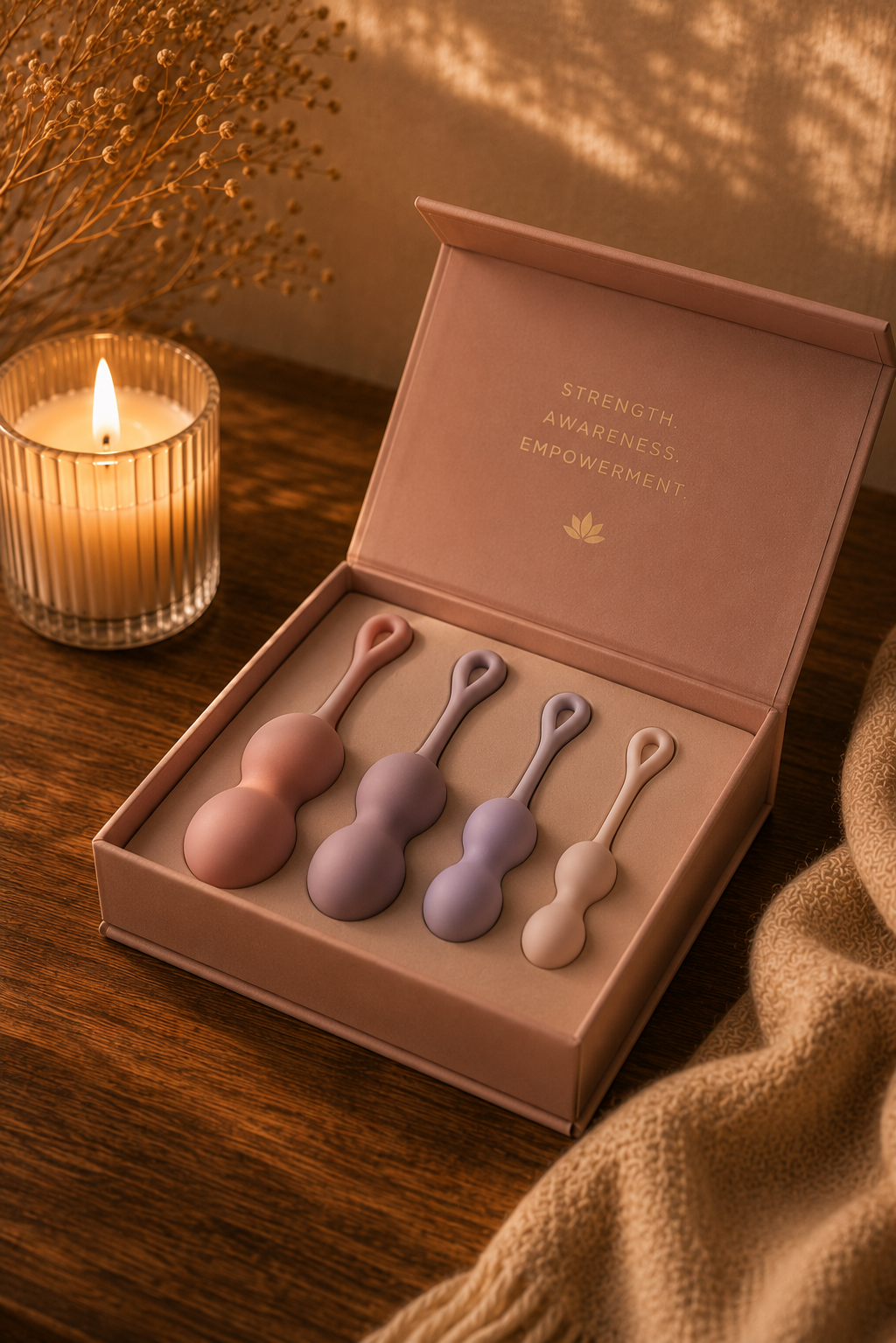
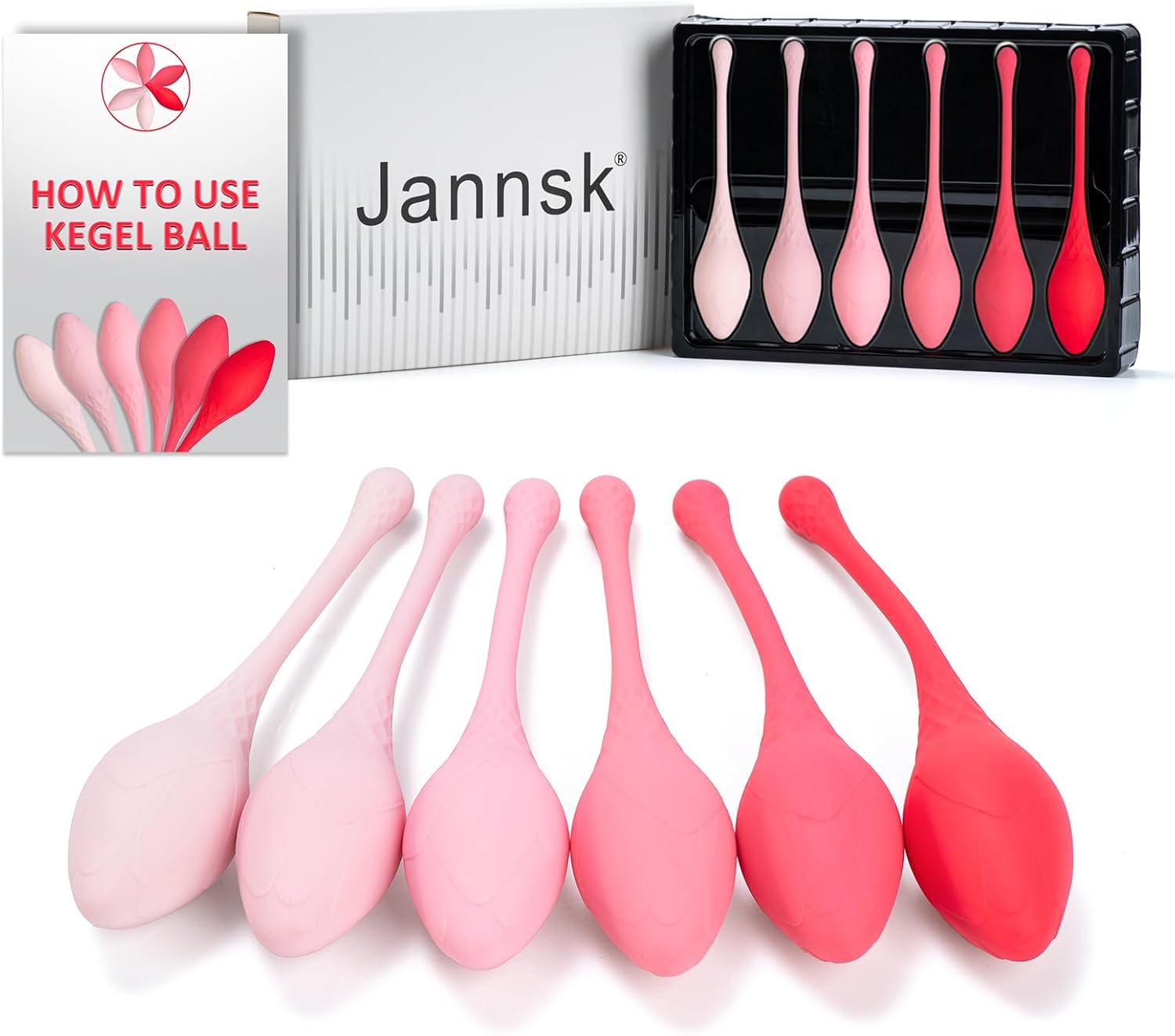
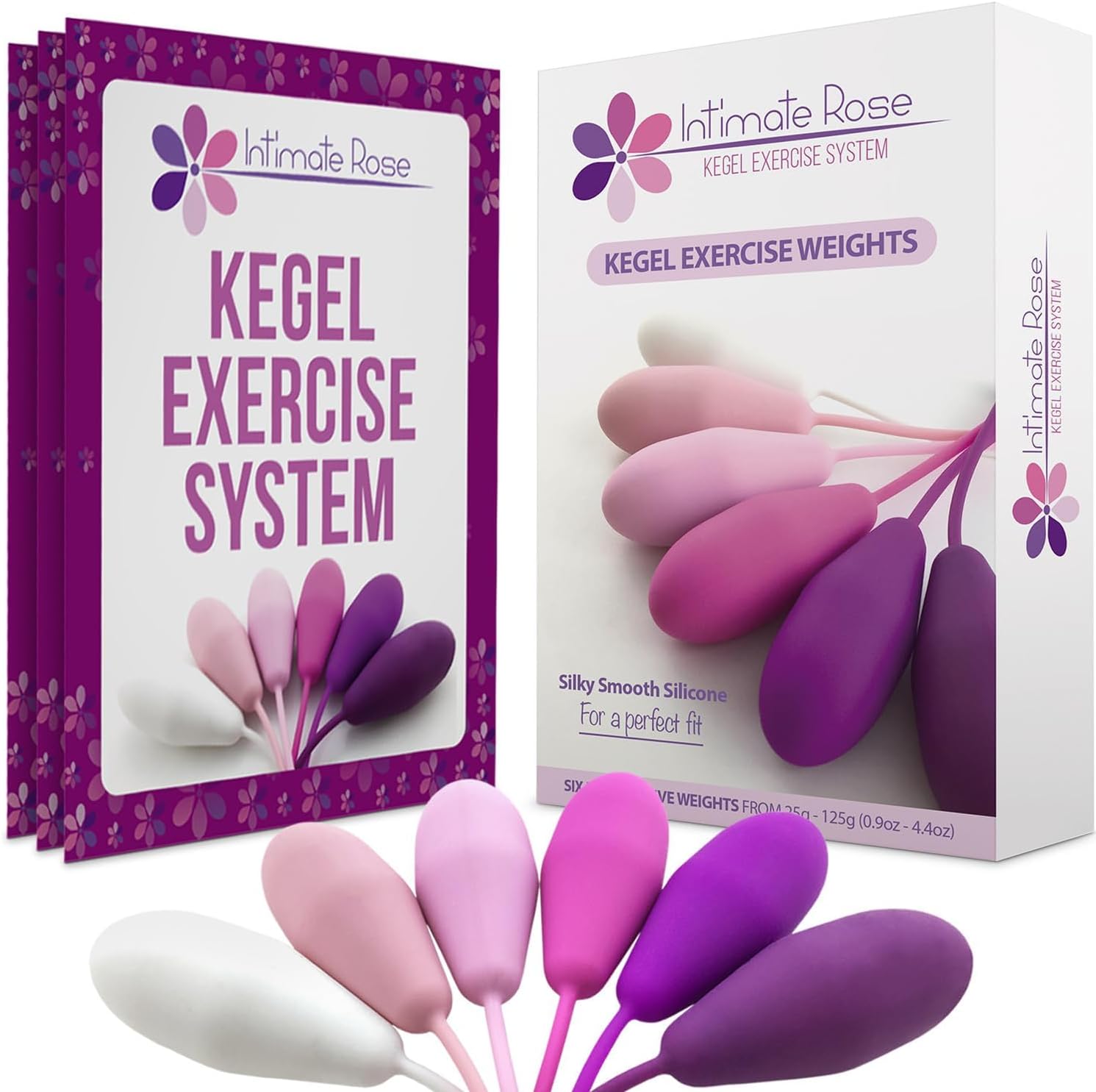
Kegel balls add light resistance to the same contraction, the way a light weight adds resistance to a bodyweight exercise. They are entirely optional: a correctly performed bodyweight Kegel routine is effective on its own, and most people don't need added resistance to see the well-established bladder-control and pelvic-floor benefits. Kegel balls tend to make more sense once the basic contraction feels easy and consistent — at that point, added resistance can help the routine continue to feel challenging.

  • Not required — a bodyweight Kegel routine works on its own for most people
  • Worth considering once the basic contraction feels easy rather than as a starting point
  • If used, start with the lightest weight in a graduated set
  • Choose body-safe silicone with a retrieval cord, and stop if you experience discomfort

Related content

Where to go next

Related path

For You / Self-Care

A gentle entry point into personal wellness as a form of intentional self-care.

Related path

Comfort and Confidence

Support for building comfort gradually, without pressure or a timeline.

Guide

How to Choose

A framework for choosing a personal wellness product, if you decide to explore beyond the basics.

Product picks

If you want to add resistance: one kegel balls option

Entirely optional, and only worth considering once a bodyweight Kegel routine already feels easy and consistent.

This recommendation section may include affiliate links. If you choose to use them, SensualityLab may earn a commission at no extra cost to you.

PelvicCore

Graduated Weight Kegel Balls Set

$24.00

Merchant
PelvicCore
Last checked
May 19, 2026

A graduated-weight kegel ball set for adding light resistance to an existing Kegel routine.

Best for
  • Progressive resistance once bodyweight Kegels feel easy
  • Beginners easing in with the lightest ball first
  • Discreet at-home practice

FAQ

Common questions about Kegel exercises

How do I know I'm doing Kegels correctly?

You should feel a lifting and squeezing sensation around the vaginal and urethral openings, without tensing your stomach, thighs, or buttocks. If you're not sure, try the stop-urination-midstream method once or twice purely to identify the muscles, then practice separately on an empty bladder. If you still can't tell, a pelvic floor physical therapist can confirm you're engaging the right muscles.

How often should I do them?

A reasonable starting routine is 10 repetitions, 2–3 times a day, with a 3–5 second hold and equal release. Consistency matters more than frequency beyond that — a short daily routine done regularly is more effective than occasional longer sessions.

Are kegel balls safe for beginners?

Generally yes, when introduced after you're already comfortable with the basic bodyweight contraction — starting with the lightest weight in a graduated set and choosing body-safe silicone with a retrieval cord. They're not necessary for beginners just learning the exercise, and anyone with pelvic pain or a diagnosed pelvic floor condition should check with a healthcare provider before adding resistance.

Can Kegels help with anything besides bladder control?

The best-established benefits are bladder control and general pelvic floor support — which can matter after pregnancy, with age, or as a preventive habit. We're sticking to those well-documented benefits here rather than overstating others; if you're curious about additional effects, a healthcare provider can speak to your specific situation.

Do I need kegel balls to do Kegels effectively?

No. A correctly performed bodyweight routine is effective on its own for most people. Kegel balls are an optional way to add resistance later, similar to adding light weights to a bodyweight exercise — not a requirement for the exercise to work.

Related links

Continue exploring connected pages.

Want a product comparison?

A dedicated kegel ball roundup is on the way.

In the meantime, browse the current review roundups for specific product picks, or use the product finder for a personalized starting point.