

Guides / Communication

How to Have the Conversation

Bringing up something new with a partner can feel vulnerable. A calm, practical guide for starting the conversation well — and navigating it honestly wherever it leads.

Communication support

Starting the Conversation Is Usually the Hardest Part

Many people spend weeks or months wanting to bring something up with a partner without quite finding the moment. The conversation feels high-stakes when you are not sure how it will land, and the longer it waits the more charged it can feel. In practice, the first conversation almost never goes as badly as anticipated — and having it once usually makes the next one significantly easier. This guide covers how to start, what to expect, and how to handle the most common ways it can go.

Last reviewed: May 24, 2026

This recommendation section may include affiliate links. If you choose to use them, SensualityLab may earn a commission at no extra cost to you.

What to know

Key things to understand before you decide.

Before you begin

Knowing what you actually want to say makes it easier to say it.

The clearest conversations start from a position of knowing your own feelings rather than testing your partner's. Before bringing something up, it helps to get clear on a few things: what you are interested in and why, what you are hoping the conversation leads to (exploration, a decision, just a discussion?), and how much your interest depends on your partner sharing it. Coming in with that clarity — even if you do not share all of it — makes the conversation feel less like a negotiation and more like an honest exchange.

  • Know what you are interested in, loosely — you do not need to have a specific product in mind.
  • Decide whether you want to explore together or whether you are happy exploring solo first.
  • Separate the conversation from the outcome — it does not need to end in a decision.
  • Choose a moment that is relaxed and genuinely distraction-free, not a conversation squeezed into a busy evening.

Starting well

Low-stakes framing makes it easier for your partner to respond honestly.

The way you open the conversation tends to determine the tone of what follows. Framing it as something you have been curious about — rather than something you feel is missing or something you need them to agree to — gives your partner more room to respond honestly without feeling pressured or defensive. Curiosity is an easier entry point than a request. It also leaves more space for a slower conversation, which is often more productive than one that moves toward a decision too quickly.

  • "I have been curious about something and wanted to talk about it with you" opens better than "I want us to try X."
  • Bring it up at a neutral moment — not in bed, not in an argument, not as a last-thought before sleep.
  • Give your partner time to respond without filling every silence.
  • Be honest if you are nervous — naming it often makes the conversation feel more genuine for both people.

If they are hesitant

Hesitation is worth understanding, not overcoming.

The most common response to a first conversation about something new is not a firm no — it is a cautious "maybe" or an uncertain pause. If your partner is hesitant, the most useful move is to get curious about what the hesitation is actually about rather than trying to address it immediately. Hesitation is often about something specific — concern about what it means, uncertainty about how it would work, or just surprise at being asked — and understanding which of these it is tends to be more productive than offering reassurance. A conversation that ends with both people more informed, even without a conclusion, is a successful conversation.

  • Ask what the hesitation is about before offering reassurance.
  • Avoid framing hesitation as something to be persuaded past — it is information worth understanding.
  • Make clear that no decision needs to be made now.
  • Offer to revisit it later if they want time to think — and mean it.

Related support

Helpful guidance for conversations that take courage.

Related guide

How to Communicate Needs

Broader communication guidance for sensitive conversations in a relationship.

Related guide

How to Introduce Products

Calm, practical guidance specifically for the product introduction conversation.

Related review

Best for Couples

Couples-first recommendations to explore together once the conversation has happened.

Product picks

Lower-Pressure Options for Exploring Together

These picks work well as a first step for couples — straightforward, non-intimidating, and easy to approach without a lot of context.

This recommendation section may include affiliate links. If you choose to use them, SensualityLab may earn a commission at no extra cost to you.

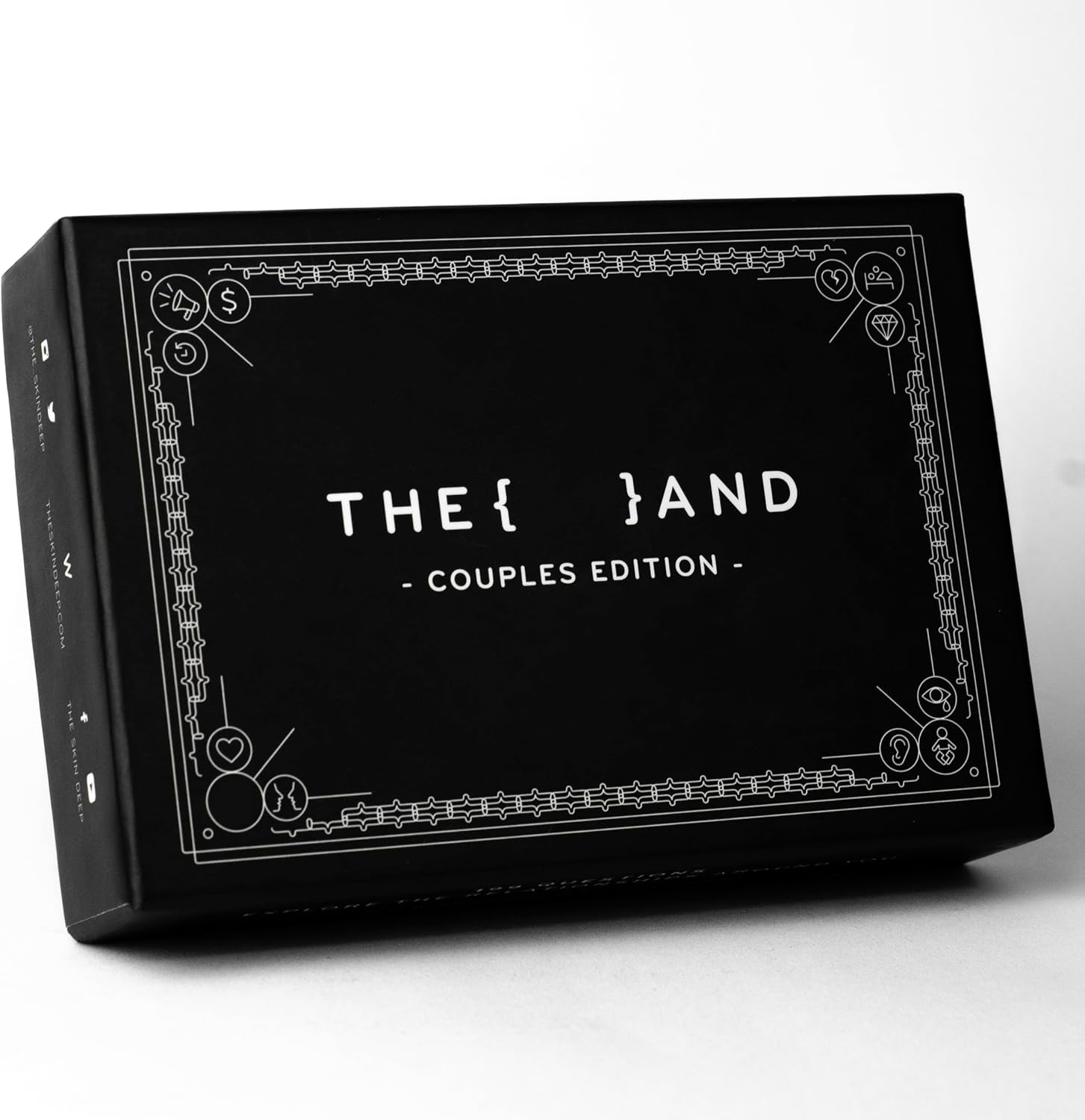
{THE AND} Couples Card Game

4.5 rating from 1,595 reviews

{THE AND} Couples Card Game

The Skin Deep

$29.99

Merchant
Amazon
Last checked
May 19, 2026

199 meaningful conversation cards designed to deepen connection and spark honest conversations.

Best for
  • Deepening connection
  • Date-night conversations
  • Long-distance couples
VUSH Orb Couples Vibrating Ring

4.1 rating from 70 reviews

VUSH Orb Couples Vibrating Ring

VUSH

$55.29

Merchant
Amazon
Last checked
May 19, 2026

A rechargeable waterproof vibrating ring from VUSH, designed for shared couples use.

Best for
  • Shared use
  • Couples intimacy
  • Simple rechargeable setup
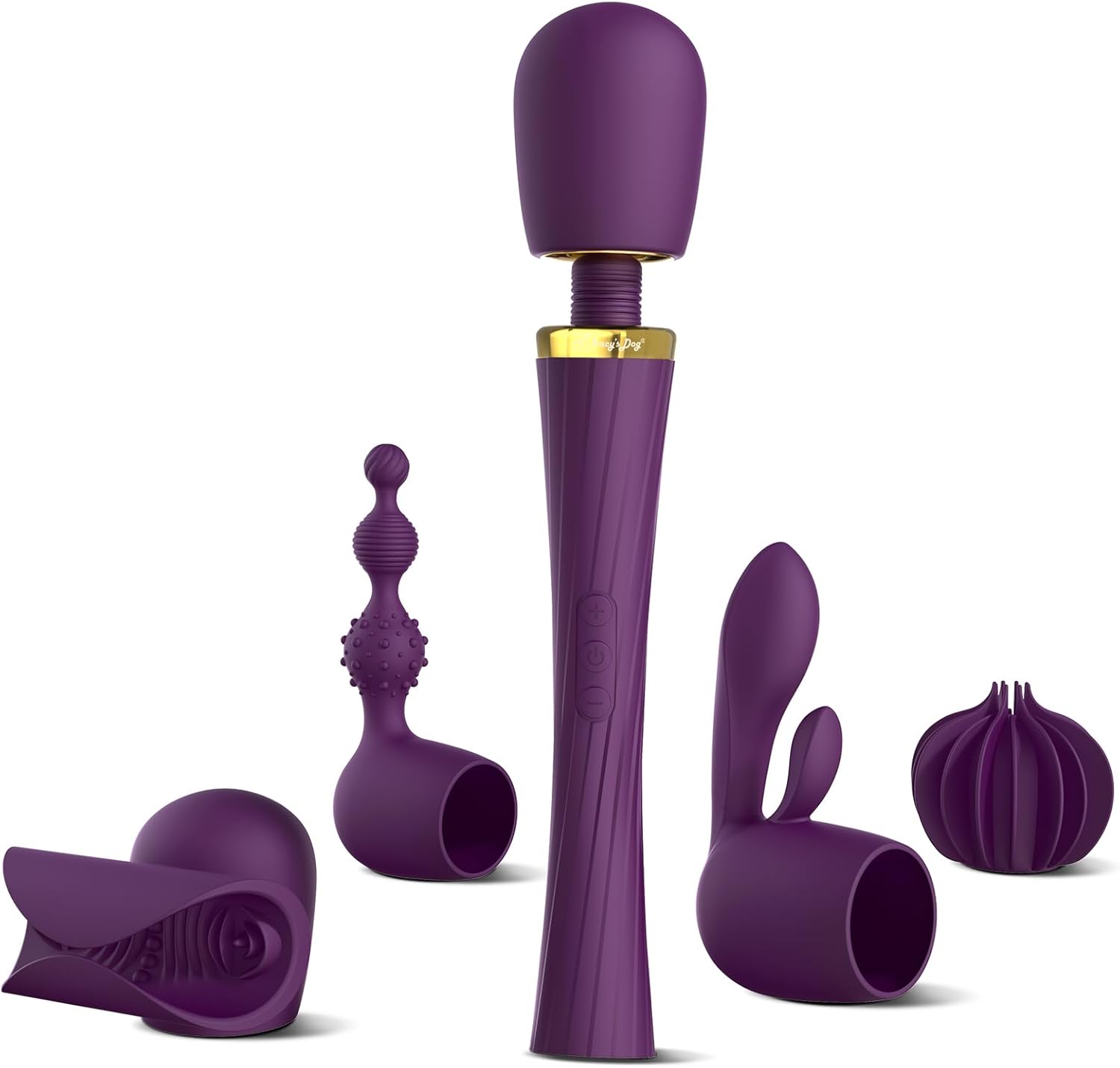
Tracy's Dog Wand Massager Kit

4.7 rating from 1,756 reviews

Tracy's Dog Wand Massager Kit

Tracy's Dog

Merchant
Amazon
Last checked
May 19, 2026

A cordless wand massager kit from Tracy's Dog with 4 silicone attachments for a versatile wellness routine.

Best for
  • Versatile self-care routines
  • Multiple attachments
  • Cordless convenience

Conversation FAQ

Common questions about starting the conversation.

What if I am worried about how my partner will react?

That worry is very common, and usually worse in anticipation than in reality. Most partners respond to a calm, honest conversation with more openness than expected — even if they are not immediately enthusiastic. The framing matters a great deal: an expression of personal curiosity is easier to respond to than a request or an implied criticism.

Is it okay to bring this up if my partner has never mentioned it?

Yes. Many people are curious about the same things but wait for the other person to bring it up first. Starting the conversation does not create the interest — it just opens space for both people to express what was already there.

What if they say no?

Respect it and leave the door open for the conversation to come back to later if they change their mind. A no to the conversation is rarely the same as a permanent no — it is often a no-for-now or a "I need more time to think about this." Responding without pressure tends to create more goodwill than pressing further.

Should we browse options together or separately first?

Either can work, depending on your partner. Some couples find it easier to look at options together — it makes the conversation feel more shared and low-stakes. Others prefer for one person to do some initial research first so the conversation has a clearer starting point. If your partner tends to feel put on the spot, browsing together may feel easier than presenting something you have already chosen.

Related links

Continue exploring connected pages.

Take the first step

The conversation is usually easier than you expect — and worth having.

Communication and reconnect guidance can help create a calmer foundation before the conversation.