

For Couples / Desire

Navigating Different Desire Levels Together

A mismatch in desire is one of the most common — and least talked about — relationship dynamics. Explore calm, practical approaches for understanding each other and finding a pace that works for both of you.

Reassurance

Desire Differences Are Normal — and Workable

Almost every long-term couple experiences periods where one partner wants more intimacy than the other. It does not mean the relationship is broken, that something is wrong with either person, or that the gap is permanent. What it usually means is that two people are at different places right now — shaped by stress, life stage, health, and a dozen other factors that shift over time. The couples who navigate this well are rarely the ones who never experience it. They are the ones who talk about it with more honesty and less shame.

Last reviewed: May 24, 2026

This recommendation section may include affiliate links. If you choose to use them, SensualityLab may earn a commission at no extra cost to you.

What to know

Key things to understand before you decide.

Understanding the gap

Desire differences are rarely about attraction — they are usually about context.

A lower-desire partner is not withholding. A higher-desire partner is not being demanding. Desire is shaped by sleep, stress, hormones, emotional safety, and how connected each person feels in the relationship overall. When couples understand this, conversations become less about blame and more about what each person actually needs right now — which is a much more productive place to start.

  • The partner with lower desire is not the problem. Neither is the partner with higher desire.
  • Emotional connection and physical desire are more linked than most couples realise — especially for one partner.
  • Life events (new jobs, health changes, young children, grief) reliably affect desire, often temporarily.
  • What worked before may need to change. That is not failure — it is adaptation.
Having the conversation

A useful conversation focuses on understanding, not negotiation.

Conversations about desire work best when neither partner is trying to convince the other of anything. The goal is to understand what is actually happening for each person — not to reach an agreement in one sitting. A lower-desire partner who feels pressured tends to feel even less desire. A higher-desire partner who feels rejected tends to bring it up in ways that increase pressure. Slowing down and asking open questions — rather than stating unmet needs — often shifts the dynamic more than any direct negotiation would.

  • Ask what would help the lower-desire partner feel more at ease — not what would make them want more.
  • Acknowledge the higher-desire partner's feelings without framing desire as an obligation.
  • Talk about what closeness means to each of you — it may not be the same thing.
  • Agree on one small next step rather than trying to resolve the whole pattern at once.

Finding new ground

Exploring together — at a genuinely shared pace — can open new possibilities.

Some couples find that exploring something new together shifts the dynamic in a useful way. Not because it solves the underlying gap, but because it creates a shared experience that is not loaded with history. A product, a new setting, or a structured conversation exercise can serve as a reset point — something both partners chose together, without pressure, that creates a moment of genuine shared attention. This works best when it follows honest conversation, not when it is used as a substitute for one.

Related support

Helpful next steps for navigating desire differences.

Related path

How to Communicate Needs

Practical guidance for talking through sensitive topics with more clarity and less pressure.

Related guide

Reconnect with Your Partner

A supportive path for rebuilding closeness through shared attention and low-pressure next steps.

Related review

Best Products for Couples

When both partners feel ready, explore options chosen for shared comfort and connection.

Product picks

Options for Exploring Together When Both Partners Feel Ready

These picks work well for couples who want to explore something new together — at a shared pace, without pressure.

This recommendation section may include affiliate links. If you choose to use them, SensualityLab may earn a commission at no extra cost to you.

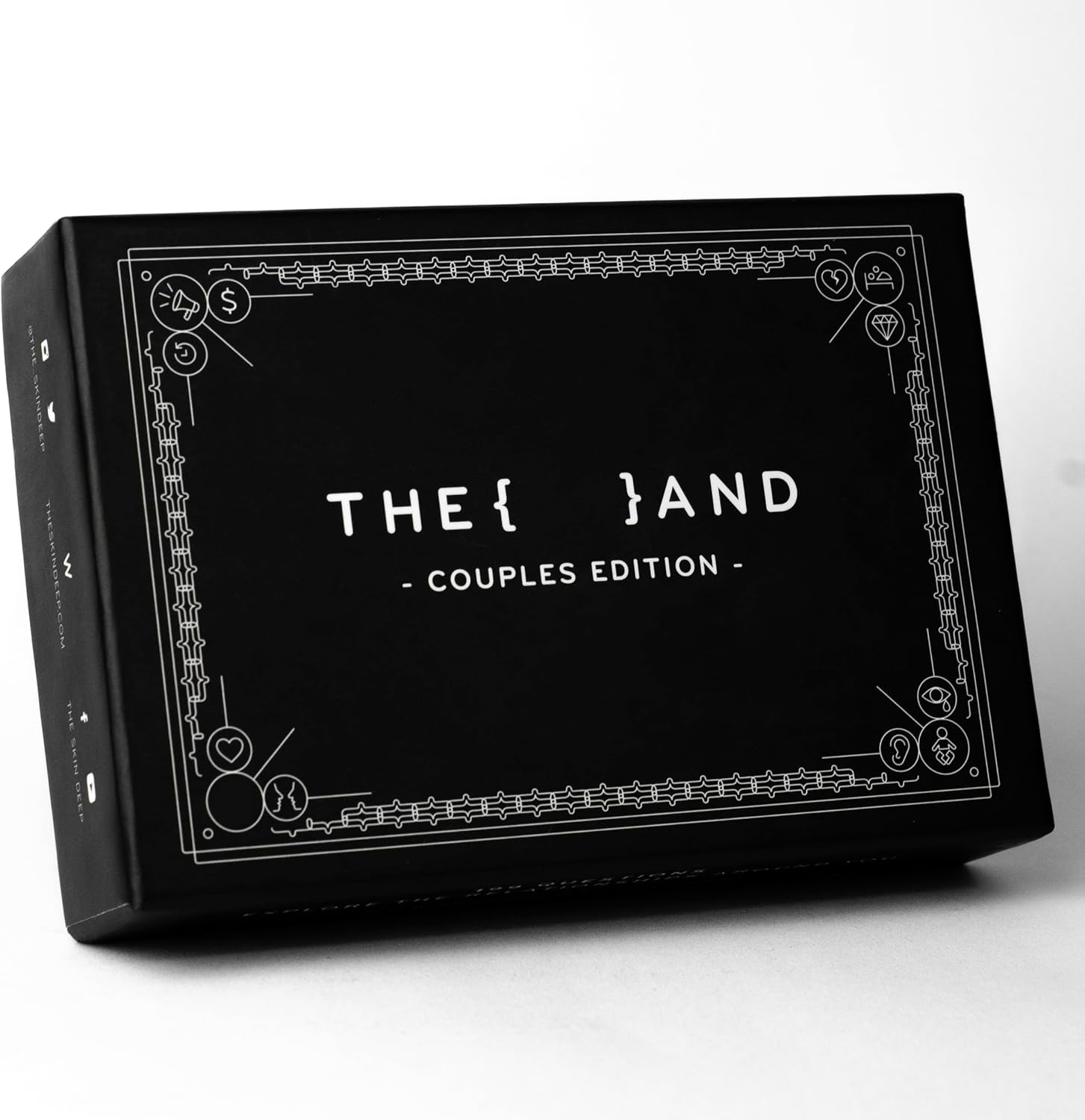
{THE AND} Couples Card Game

4.5 rating from 1,595 reviews

{THE AND} Couples Card Game

The Skin Deep

$29.99

Merchant
Amazon
Last checked
May 19, 2026

199 meaningful conversation cards designed to deepen connection and spark honest conversations.

Best for
  • Deepening connection
  • Date-night conversations
  • Long-distance couples
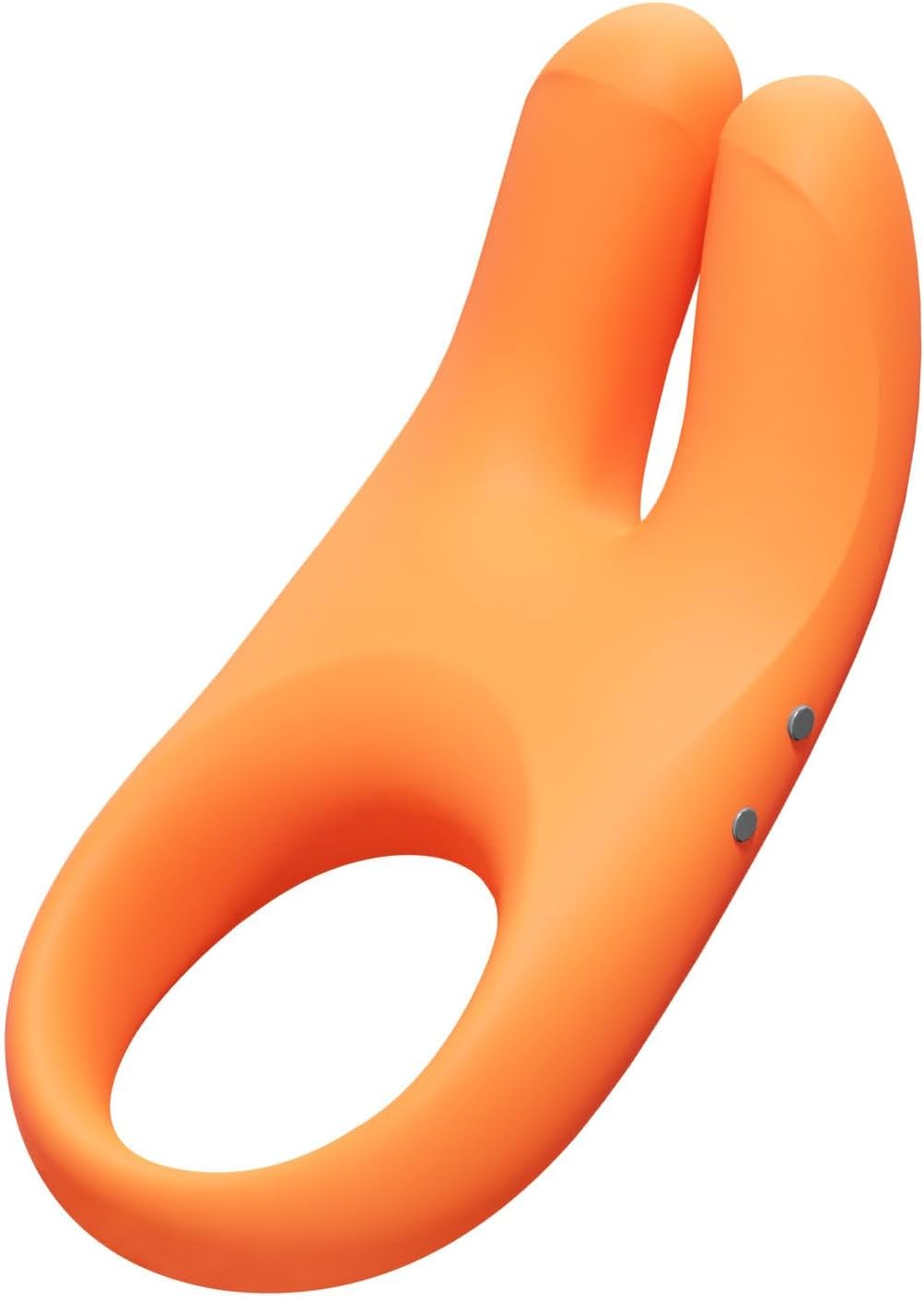
VUSH Orb Couples Vibrating Ring

4.1 rating from 70 reviews

VUSH Orb Couples Vibrating Ring

VUSH

$55.29

Merchant
Amazon
Last checked
May 19, 2026

A rechargeable waterproof vibrating ring from VUSH, designed for shared couples use.

Best for
  • Shared use
  • Couples intimacy
  • Simple rechargeable setup
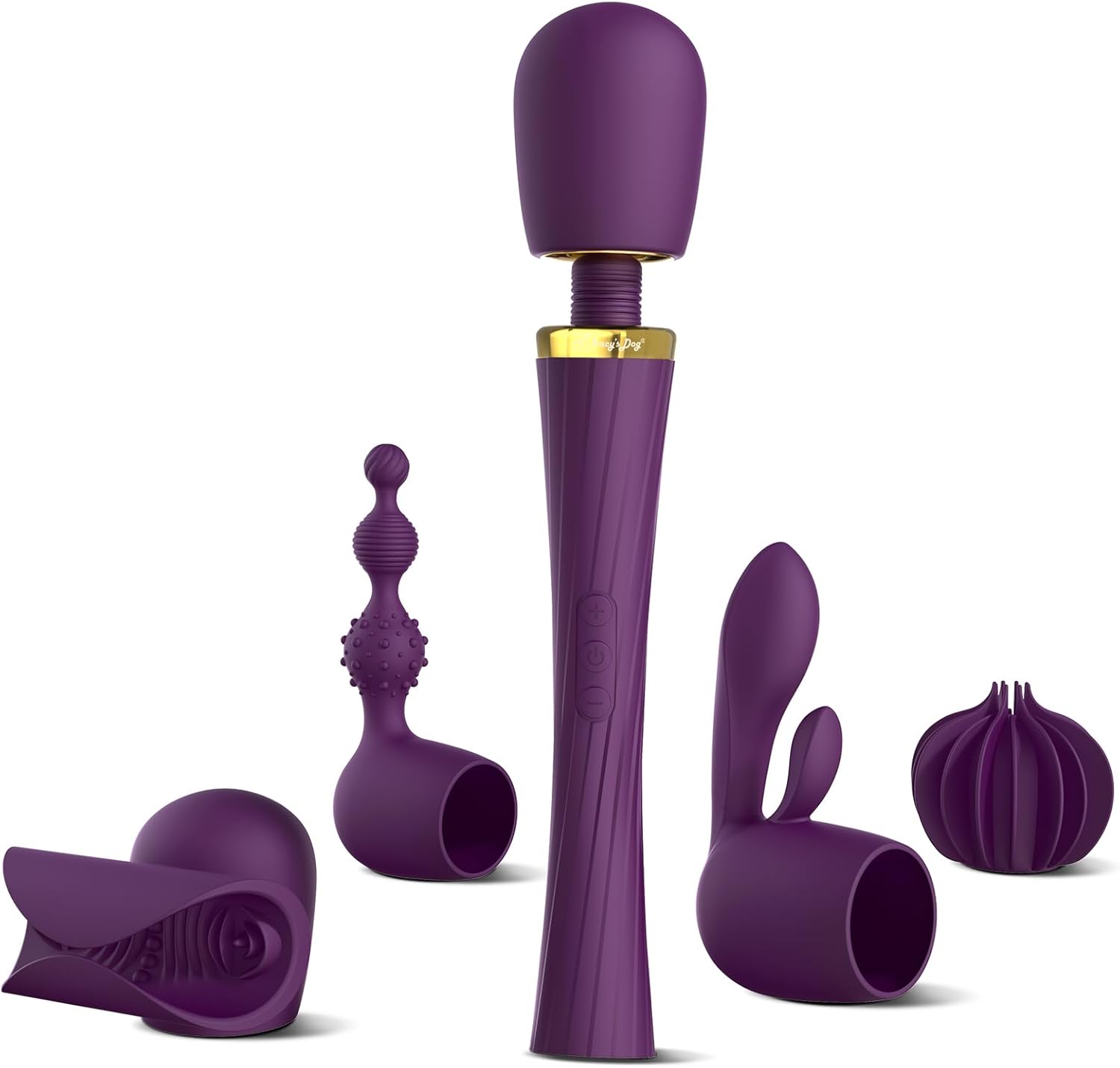
Tracy's Dog Wand Massager Kit

4.7 rating from 1,756 reviews

Tracy's Dog Wand Massager Kit

Tracy's Dog

Merchant
Amazon
Last checked
May 19, 2026

A cordless wand massager kit from Tracy's Dog with 4 silicone attachments for a versatile wellness routine.

Best for
  • Versatile self-care routines
  • Multiple attachments
  • Cordless convenience

Desire FAQ

Common questions about navigating different desire levels.

Is a desire mismatch a sign something is wrong with the relationship?

Not usually. Desire mismatches are one of the most common dynamics in long-term relationships — research consistently shows that most couples experience them at some point. They are often shaped by stress, life stage, health, and how emotionally connected each partner feels. A mismatch is worth addressing, but it is not evidence that the relationship is failing.

What if the gap has been going on for a long time?

A long-standing desire difference is worth exploring with more support. A couples therapist or sex therapist can help both partners understand what is driving the gap and find approaches that feel realistic for both people. The longer a pattern has been established, the more helpful it is to have a structured space for honest conversation.

Should the lower-desire partner just try to want it more?

That framing is rarely useful and often backfires. Desire that is performed to meet an expectation tends to reinforce the gap rather than close it. A more productive approach is understanding what conditions help the lower-desire partner feel genuinely at ease — and what tends to reduce desire further — and working from there together.

Can exploring new things together actually help?

For some couples, yes — when it is genuinely chosen by both people without pressure. Shared novelty can create connection and shift a pattern that has become stuck. But it works best as a complement to honest conversation, not a replacement for it.

Related links

Continue exploring connected pages.

A shared next step

Start with honest conversation — then explore from there.

Communication and reconnect guidance can help create a calmer foundation before exploring anything new together.